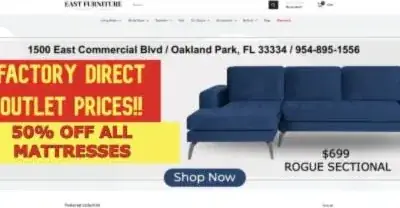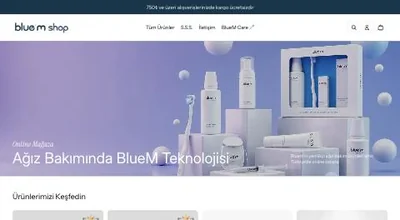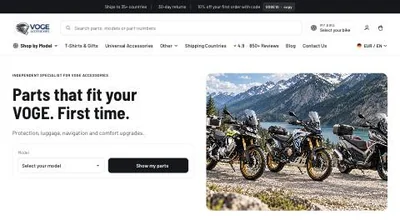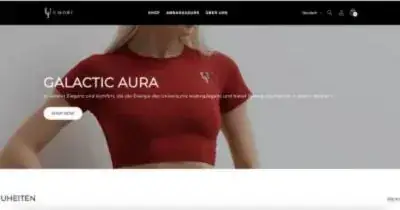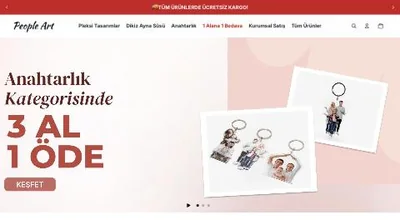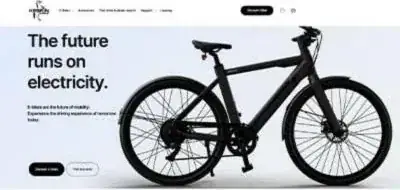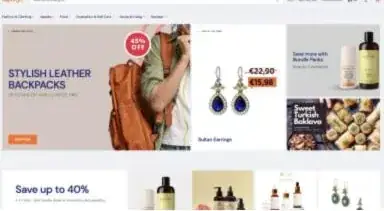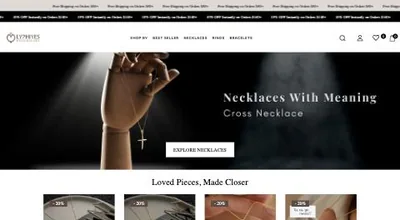
In dropshipping, you sell products that a supplier stores and ships. When a customer orders from your store, the order goes to the supplier, who sends the item directly to the customer. You never handle the stock. That makes it one of the easiest ways to start, and one of the hardest to make stand out.
How it works
- You list a supplier's products in your store, with your own prices.
- A customer buys and pays you.
- You (or an app) pass the order to the supplier and pay the wholesale price.
- The supplier ships to the customer, and tracking flows back to your store.
- Your profit is the difference, minus fees, marketing and returns.
Pros and cons
| Advantages | Drawbacks |
|---|---|
| No stock to buy up front | Lower margins than buying wholesale |
| Test many products cheaply | Less control over quality and packaging |
| Run it from anywhere | Delivery times depend on the supplier |
| Easy to add new products | Many competitors sell identical items |
Choosing suppliers
- Location: suppliers close to your customers mean faster delivery and fewer customs issues.
- Quality: order samples before listing anything.
- Reliability: stock accuracy, shipping speed and how they handle problems.
- Branding: whether they ship without their own branding, or with yours.
- Returns: where returns go and who pays.
Setting up on Shopify
- Pick a niche rather than a general store (how to choose).
- Install a dropshipping app that works with your chosen suppliers.
- Import products and rewrite titles, descriptions and images. Supplier copy is used by everyone.
- Set prices that cover all costs (profit calculator).
- State delivery times honestly on product pages and in your shipping policy.
- Set up payments, policies and domain, then place test orders.
How to stand out
- A clear brand and audience, not a random mix of products
- Your own photos and videos from samples
- Better information than competitors: sizing, use, comparisons
- Fast, honest customer service
- Bundles and kits that competitors don't offer
Common mistakes
- Selling products you've never seen
- Hiding long delivery times
- Pricing too low to cover advertising and returns
- Relying on a single supplier with no backup
Dropshipping on a marketplace has its own rules; see Amazon dropshipping. For a store built for long-term growth, see our store setup service.
Frequently asked questions
Is dropshipping legal?
Yes. You are still the seller, so consumer law applies to you: accurate descriptions, delivery times, returns and product safety rules in the countries you sell to.
How much money do I need to start?
Less than with stock, since you don't buy inventory up front. You still need a store plan, apps, samples to check quality, and a marketing budget, which is usually the largest cost.
Which apps connect Shopify to suppliers?
There are many dropshipping apps on the Shopify App Store, each with different supplier networks and regions. Shopify's Collective connects Shopify brands with each other in supported countries. Choose based on product quality, shipping times and where your customers are.

Author
Uğur KeskinFounder @ShopiuzmanFounder of Shopiuzman. He builds, migrates and grows Shopify stores for brands in Türkiye, Europe and the US, and leads the development of our apps on the Shopify App Store.