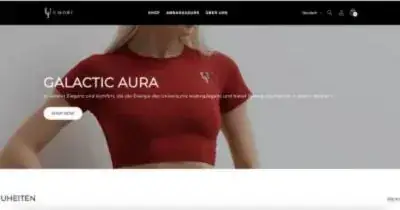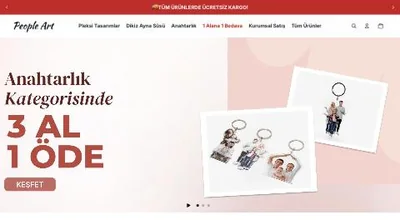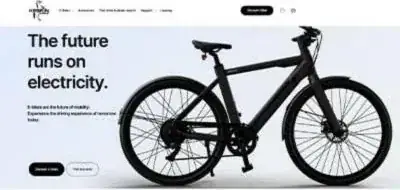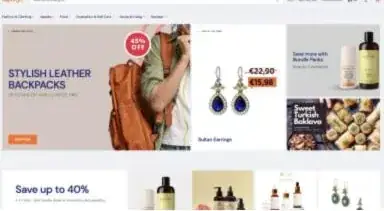
The product description is where a shopper decides whether this is the right thing for them. It replaces what they would do in a shop: pick the item up, look at the label, ask someone a question. A good description does that job. A poor one leaves questions unanswered, and unanswered questions turn into abandoned carts or returns.
Know who you are writing for
Before you write, be clear about who buys this product and why. A trail-running shoe for experienced runners needs different detail from a gift mug. Write down:
- who the buyer is, and what they are trying to achieve;
- the two or three questions they always ask (check emails, chats and reviews);
- the reasons people return it.
Those answers are the backbone of the description.
A structure that works
- Opening line: what it is and who it's for, in one sentence. "A waterproof 20-litre daypack for commuters who cycle."
- Key benefits: three to five short points that link a feature to what it does for the buyer. "Roll-top closure keeps a laptop dry in heavy rain."
- Details and specifications: size, weight, materials, compatibility, care, what's in the box. A list or table makes these easy to scan.
- Fit or usage guidance: sizing advice, how to choose between variants, what it pairs with.
- Reassurance: delivery, returns and warranty in a line, linking to the full policy.
Features tell, benefits sell, facts convince
"Made from 600D recycled polyester" is a feature. "Tough enough for daily use, and made from recycled bottles" is the benefit. Both belong in the description: the benefit persuades, the fact backs it up. Avoid empty superlatives such as "premium quality" or "best on the market"; replace them with something the shopper can check.
Before and after
Before: "Our premium ceramic mug is the perfect choice for coffee lovers. High quality and stylish."
After: "A 350 ml stoneware mug with a thick wall that keeps coffee warm for longer. Dishwasher and microwave safe. The matte glaze is hand-dipped, so each one varies slightly in colour."
Make it easy to scan
- Short paragraphs of two or three sentences.
- Bulleted benefits, and a table for specifications.
- Bold only the few words that matter.
- On mobile, keep the most important information above the fold; put long technical detail in a collapsible section if your theme supports it.
Write for search engines and AI assistants too
- Use the words customers use. If they search for "laptop backpack", say "laptop backpack", not only "urban carry solution".
- Write a unique description for each product. Copied manufacturer text gives search engines no reason to choose your page.
- Put precise facts in text, not only in images: dimensions, materials, compatibility.
- Write a product page title and meta description in Shopify's search engine listing section for each important product.
- Add alt text to images that describes what's in the photo.
Clear, factual descriptions are also what AI assistants draw on when they recommend products. Our guide to Shopify GEO explains why.
Keep variants and collections consistent
For large catalogues, create a template per product type with the same sections and specification fields. In Shopify, metafields let you store specs such as material or dimensions once and show them consistently in the theme. Consistency makes the store easier to browse and easier to filter.
A quick checklist
- Does the first sentence say what it is and who it's for?
- Are the three most common customer questions answered?
- Are all specifications correct and in text?
- Is sizing or variant choice explained?
- Is it readable on a phone in under a minute?
- Is it unique to your store?
If your catalogue needs a content overhaul alongside SEO, see our Shopify SEO and GEO services.
Frequently asked questions
How long should a product description be?
Long enough to answer the questions a shopper has before buying, and no longer. For a simple product that might be 80 words plus a spec list; for a technical or expensive product, several hundred words with sections.
Can I use the manufacturer's description?
You can, but the same text then appears on every other store selling the product, which gives search engines no reason to prefer your page. Rewrite it with your own angle, photos and answers.
Should I use AI to write product descriptions?
AI can help with a first draft or with consistency across a large catalogue, but check every fact. Wrong dimensions or materials lead directly to returns and complaints.

Author
Uğur KeskinFounder @ShopiuzmanFounder of Shopiuzman. He builds, migrates and grows Shopify stores for brands in Türkiye, Europe and the US, and leads the development of our apps on the Shopify App Store.