Car and motorcycle owners spend money on their vehicles, search for specific parts and accessories, and come back when they change vehicles or need replacements. That makes the category attractive online. The challenge is simple to state and hard to solve: the customer has to be sure the product fits.
1. Choose your focus
- Universal accessories: phone holders, organisers, cleaning products, chargers. Simpler data, more competition.
- Vehicle-specific accessories: floor mats, roof bars, covers, styling parts. Fitment data needed, better margins.
- Replacement parts: large catalogues and complex fitment; often needs supplier data feeds.
- A single brand or vehicle type: for example, accessories for one motorcycle brand. Easier to become the go-to store.
2. Get fitment data right
For vehicle-specific products, compatibility is the most important information on the page:
- make, model, year range, engine or trim where it matters
- manufacturer part numbers and OEM references
- notes on exceptions ("not for models with panoramic roof")
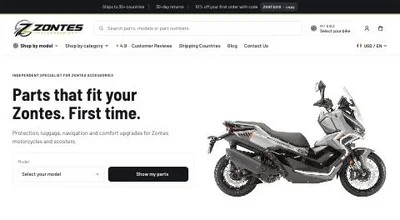
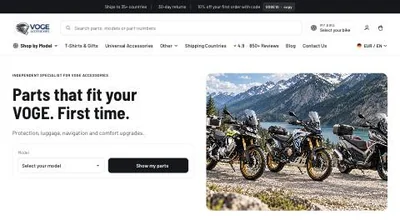
In Shopify, store this data in metafields or with a dedicated fitment app, and add a "find parts for your vehicle" search on the home and collection pages.
3. Make product pages answer technical questions
- Photos of the product, its fixings and the installed result
- Dimensions, materials and what's in the box
- Installation instructions or video, and difficulty level
- Legal and safety notes where relevant, such as road-legal status for lighting
4. Plan for returns
Ask customers to confirm their vehicle at checkout or in the cart, and include it in the order. State the return conditions clearly, for example unused and in original packaging. See our return policy guide.
5. Win in search
People search for "roof bars for [model] [year]". Collections by make and model, with clear titles and introductions, can rank well for those searches. Structured product data with brand and part numbers helps Google Shopping too. See our Shopify SEO guide.
6. Consider marketplaces
Many buyers search marketplaces for parts. Listing your range there alongside your own store can add volume, provided stock stays in sync. See marketplace or own store.
7. Build loyalty
- Save the customer's vehicle in their account for faster future shopping
- Seasonal emails: winter kits, summer care, service reminders
- Communities: owners' clubs, forums, events
We have built Shopify stores for vehicle accessory brands. See our case studies and store setup service.
Frequently asked questions
How do I show which cars a part fits?
Store compatibility data (make, model, year range and variant) for each product and add a vehicle search, usually with an app. Show the compatible vehicles on the product page as well.
What causes most returns in this category?
Wrong fit. Clear compatibility information, part numbers and photos of mounting points reduce it more than anything else.
Should I sell universal or vehicle-specific products?
Universal products are easier to manage; vehicle-specific ones often have higher margins and less competition. Many stores combine both.

Author
Uğur KeskinFounder @ShopiuzmanFounder of Shopiuzman. He builds, migrates and grows Shopify stores for brands in Türkiye, Europe and the US, and leads the development of our apps on the Shopify App Store.