Furniture is one of the harder categories to sell online. Items are expensive, bulky and personal, and customers can't sit on a sofa through a screen. That's also why stores that do it well stand out. This guide covers what matters most.
1. Choose your model
- Your own production: the most control and margin, but you manage capacity and lead times.
- Retailing other brands: wider range, but more competition on the same products.
- Made to order: no finished stock, but customers must accept a waiting time.
- Dropshipping from manufacturers: low stock risk, less control over delivery quality.
2. Present products so people can judge them
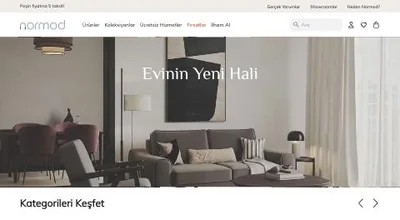
- Photos: a clean product shot, the piece in a real room, close-ups of material and joins, and a person for scale.
- Dimensions: width, depth, height, seat height, and packaged dimensions. A simple diagram helps.
- Materials and care: frame, fabric, finish, how to clean it.
- Variants: each colour and fabric with its own photo, and clear swatches.
- Video or 3D: a short video, a 360° view or AR viewing where your theme supports 3D models.
3. Make delivery clear
Delivery is a deciding factor in furniture. Explain:
- delivery time, especially for made-to-order items;
- what's included: kerbside, room of choice, assembly, packaging removal;
- how delivery is booked, and what happens with stairs or narrow access.
In Shopify, put large items in a separate shipping profile with their own rates or zones. See free shipping and rates.
4. Plan returns
Returning a wardrobe is expensive. Write a clear policy: how long, who pays collection, condition required, and exceptions for custom items. Remember that in the EU and UK consumers generally have a 14-day right to cancel distance purchases, with exceptions for goods made to the customer's specifications. See our return policy guide.
5. Reduce hesitation
- Fabric and wood samples
- Reviews with customer photos
- Live chat or video calls for questions (live chat options)
- Instalment payment options for higher prices
- Room-planning help or style guides
6. Market to the right moments
People buy furniture when they move, renovate or change family situation. Content such as room guides and measuring tips attracts them early. Pinterest and Instagram suit the category well, and remarketing matters because the decision takes time.
Setting up a furniture store on Shopify
- Use metafields for dimensions, materials and lead times, shown consistently in the theme
- Filters for size, material, colour and room
- Separate shipping profiles for bulky items
- Clear lead times on product pages and in order emails
Want a furniture store built around these details? See our Shopify store setup service and our case studies.
Frequently asked questions
How do I charge for furniture delivery?
Common approaches are a flat rate per item or per order, rates by weight or size, or delivery zones by distance. Put bulky items in their own shipping profile in Shopify so their rates don't affect small items.
Should I offer fabric or wood samples?
If colour and texture are central to the decision, yes. Samples reduce returns and give hesitant shoppers a reason to stay in touch.
Can I sell made-to-order furniture?
Yes. Show the production time clearly on the product page and at checkout, and explain your policy for cancelling or returning custom items.

Author
Uğur KeskinFounder @ShopiuzmanFounder of Shopiuzman. He builds, migrates and grows Shopify stores for brands in Türkiye, Europe and the US, and leads the development of our apps on the Shopify App Store.